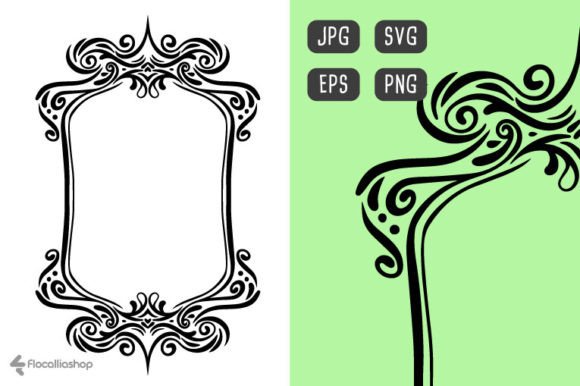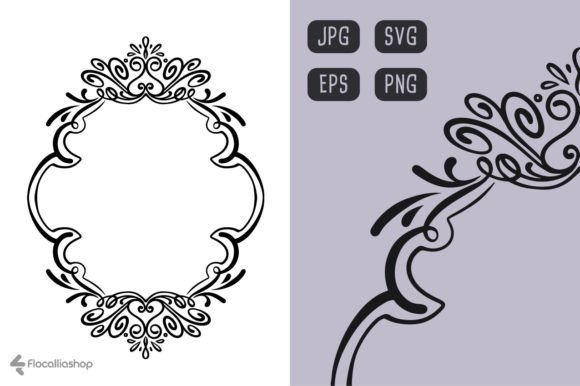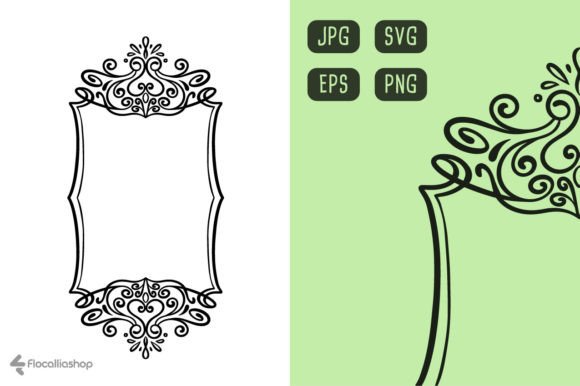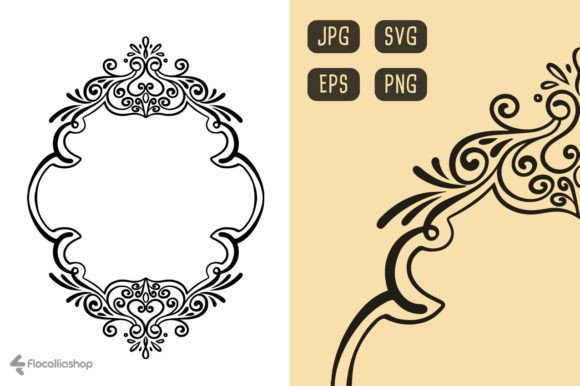
Wedding Plant Decoration Vector Art: The Botanical Design Essential
When you're building a visual identity for a wedding brand, event planning service, or lifestyle blog, the details matter. One of the most versatile design assets you can add to your toolkit is Wedding Plant Decoration Vector Art. This isn't just another set of generic floral graphics. It's a curated collection of botanical illustrations that bring elegance, warmth, and organic texture to any project.
Think of it this way: you're designing a wedding invitation suite. The typography is set. The layout feels right. But something's missing. That's where Wedding Plant Decoration Vector Art steps in. These vector illustrations offer delicate leaves, trailing vines, blooming flowers, and subtle greenery that frame your text without overwhelming it. They add visual interest while keeping the focus where it belongs—on the message.
What Makes This Vector Art Style Stand Out
Wedding Plant Decoration Vector Art typically features hand-drawn botanical elements rendered in a clean, scalable format. You'll find a range of styles within most collections: fine-line eucalyptus branches, watercolor-style peonies, minimalist fern fronds, and ornate floral wreaths. The personality of this art style leans romantic and refined, but it adapts beautifully to modern, rustic, bohemian, and classic aesthetics depending on how you use it.
The visual characteristics worth noting include balanced compositions, organic curves, and a sense of movement that mimics real plant life. Unlike rigid clip art, quality vector botanicals feel alive. They have natural imperfections in their linework, varied stroke weights, and subtle asymmetry that keeps them from looking sterile. This is what separates a polished design from something that feels templated.
For designers and content creators, the appeal is practical. Vector formats scale infinitely without losing quality. Whether you're placing a small accent on a business card or blowing up a full botanical backdrop for a trade show banner, the art stays crisp. That flexibility alone makes Wedding Plant Decoration Vector Art a smart investment for anyone working across print and digital platforms.
Where This Botanical Art Works Best
The applications are broader than you might expect. Yes, it's a natural fit for wedding stationery—save-the-dates, invitations, menus, place cards, and thank-you notes. But the utility extends well beyond the wedding industry.
Branding and logo design benefit enormously from botanical accents. If you're building a brand identity for a florist, a garden café, a wellness studio, or an organic skincare line, Wedding Plant Decoration Vector Art provides the visual language you need. Layer these elements behind your wordmark, use them as divider ornaments, or integrate them into a custom monogram.
Packaging design is another strong use case. Imagine a tea brand with delicate leaf illustrations wrapping around the box. Or a candle company with a simple vine motif framing the label. These touches communicate quality and care without saying a word.
For editorial design and publishing, botanical vectors work as chapter openers, pull-quote decorations, page borders, and background textures. Bloggers and magazine creators use them to add visual rhythm to long-form content. They break up text-heavy layouts and give readers a reason to keep scrolling.
Social media graphics are where this art really shines in the digital space. Instagram stories, Pinterest pins, Facebook headers, and promotional posts all benefit from botanical framing. They add a layer of sophistication that stock photos often can't match. Pair a trailing vine illustration with a clean sans serif font, and you've got a cohesive post in minutes.
Web design applications include hero image backgrounds, section dividers, favicon accents, and decorative elements on landing pages. Wedding planners, event venues, and lifestyle brands use these vectors to create websites that feel inviting and polished.
How Botanical Art Shapes Brand Perception
Visual elements influence how people feel about a brand before they read a single word. Wedding Plant Decoration Vector Art communicates specific values: natural beauty, attention to detail, warmth, and timeless elegance. When these elements appear consistently across your touchpoints—website, social media, printed materials, packaging—they build recognition and trust.
This is where brand identity work gets interesting. Consistency isn't just about using the same logo everywhere. It's about maintaining a cohesive visual tone. If your brand uses soft, hand-drawn botanicals, every piece of content should reflect that. The art becomes part of your brand's personality, almost like a signature.
For entrepreneurs and small business owners, this matters more than you'd think. A cohesive visual identity signals professionalism. It tells potential clients and customers that you care about the details. And in competitive markets like wedding planning, event design, and lifestyle branding, those details differentiate you.
Practical Guidance for Choosing and Using This Art
Not all vector art collections are created equal. Here's what to evaluate before you commit.
Quality of linework. Zoom in on the illustrations. Are the paths clean? Are there unnecessary anchor points that would make editing tedious? Good vector art is efficient and precise.
Variety of elements. A strong collection includes individual leaves, full branches, floral arrangements, wreaths, corner accents, and border elements. You want enough variety to avoid repetition across a full project.
File format compatibility. Look for AI, EPS, SVG, and PNG formats at minimum. SVG is essential for web use. AI and EPS files give you full editing control in Adobe Illustrator.
Color options. Some collections come in full color, others in single-color line art. Monochrome vectors are often more versatile because you can recolor them to match any palette. Full-color versions save time if the aesthetic aligns with your project.
Licensing terms. This is critical for commercial use. Read the license carefully. Can you use the art in client work? Can you incorporate it into products for sale? Are there restrictions on print runs or digital distribution? A proper commercial license protects you and your clients.
Font pairing considerations. If you're combining botanical art with typography, think about visual weight. Delicate floral vectors pair well with elegant serif fonts and flowing script fonts. Bold, dense botanical illustrations can hold their own alongside strong sans serif fonts. Test combinations before committing. Lay them out together and evaluate the hierarchy. The art should enhance the type, not compete with it.
Real-World Design Observations
Working with botanical vector art across dozens of projects, a few patterns emerge. First, less is usually more. A single well-placed vine accent often looks better than cramming every available element onto one layout. Negative space lets the art breathe and keeps your design feeling elevated.
Second, scale variation creates depth. Use a large floral arrangement as a background element at reduced opacity, then layer smaller leaf details near your text. This creates a sense of dimension without relying on complex effects.
Third, consider your audience's expectations. A luxury wedding brand calls for refined, detailed botanicals. A casual garden party invitation might work better with loose, sketchy line art. The art style should match the tone of the event or brand you're representing.
Finally, keep your files organized. Label your vector elements clearly. Create a reference sheet showing each piece at actual size. This saves enormous time when you're deep in a project and need to grab the right accent quickly.
Wedding Plant Decoration Vector Art is one of those design assets that earns its place in your library. It's versatile, scalable, and visually compelling. Whether you're a seasoned designer building a brand system or a hobbyist crafting handmade invitations, these botanical elements bring a level of polish and personality that's hard to replicate with anything else. Use them thoughtfully, and they'll elevate every project they touch.